

Living with pain can affect nearly every part of your life. An injury or chronic musculoskeletal condition may make it difficult to work, exercise, sleep, or complete everyday activities. While medication and surgery may be appropriate in certain situations, many patients are interested in non-invasive treatment options that can support healing and reduce discomfort.
Cold laser therapy is a non-surgical treatment that uses specific wavelengths of light to interact with targeted tissues. Also known as low-level laser therapy or photobiomodulation therapy, it may be incorporated into a personalized treatment plan for certain acute and chronic pain conditions.
Unlike surgical lasers, cold laser therapy does not cut, burn, or remove tissue. The treatment delivers low-intensity light energy to the affected area to stimulate biological activity within the cells. Depending on the patient’s condition, it may be used to help manage pain, inflammation, swelling, stiffness, and impaired movement.
Bergen Medical Sports & Spine offers cold laser therapy in Paramus, Bayonne, and West Orange, New Jersey. Our multidisciplinary medical team evaluates each patient to determine the cause of the symptoms and whether cold laser therapy may be an appropriate part of treatment.
What Is Cold Laser Therapy?
Cold laser therapy is a form of light-based treatment that uses low-intensity red or near-infrared light. The device is placed over or near the area being treated, allowing light energy to penetrate the skin and reach the underlying tissues.
The term “cold laser” distinguishes this treatment from the high-powered lasers used during surgical procedures. Surgical lasers generate heat and can cut or remove tissue. A cold laser uses a much lower level of energy and does not produce the same tissue-damaging heat.
Cold laser therapy is also known by several other names, including:
- Low-level laser therapy
- LLLT
- Photobiomodulation therapy
- PBMT
- Low-intensity laser therapy
- Therapeutic laser treatment
These terms are sometimes used interchangeably, although the devices, wavelengths, power levels, treatment protocols, and intended uses can vary.
How Does Cold Laser Therapy Work?
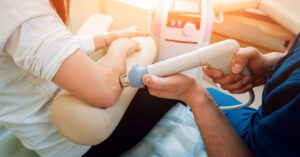
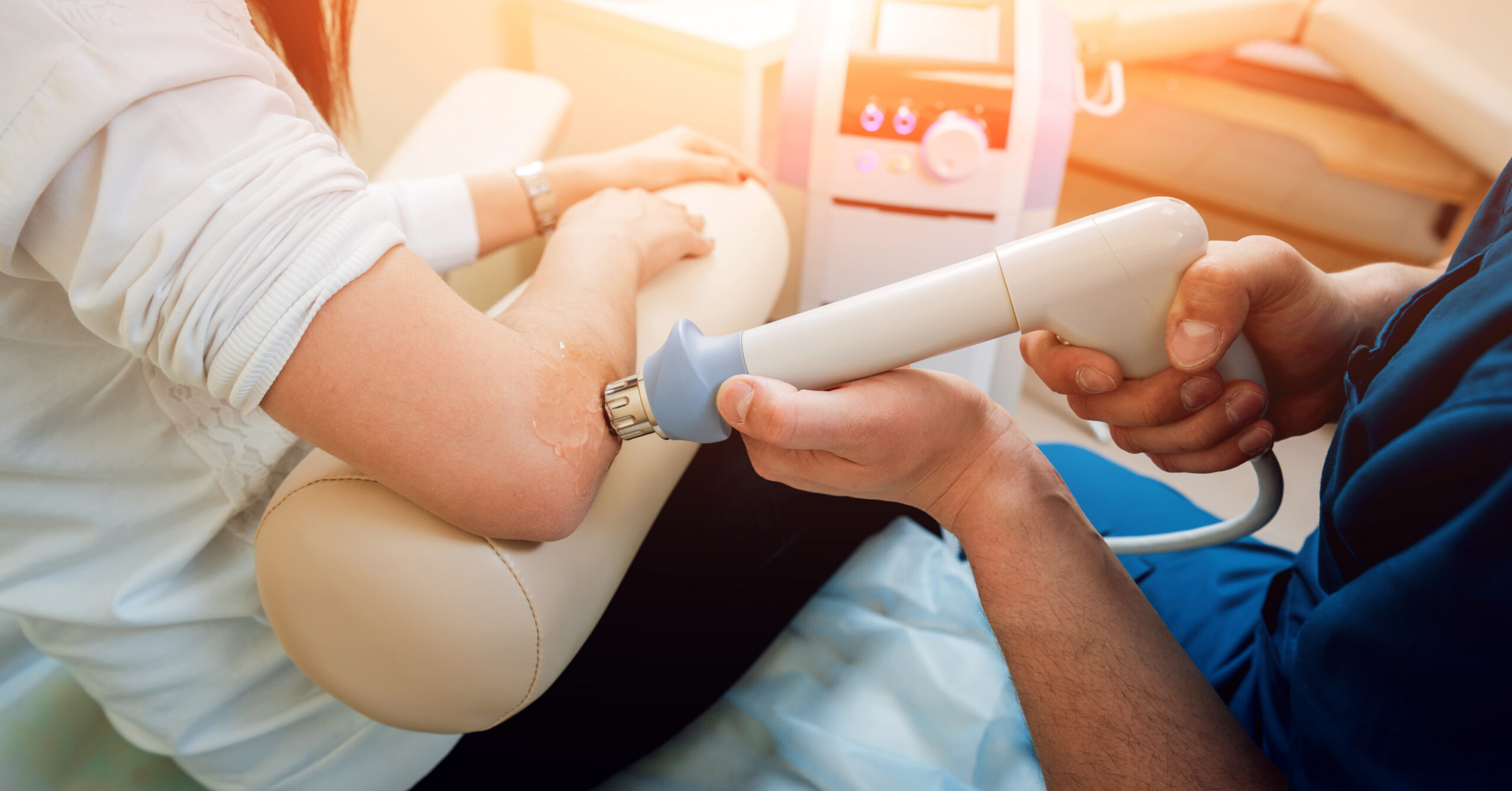
During treatment, a healthcare professional positions the laser device over the affected area. The device sends photons, which are particles of light, into the tissues.
Cells can absorb this light energy. This interaction may influence cellular processes involved in energy production, circulation, inflammation, and tissue repair. A review indexed by the National Library of Medicine describes cold laser therapy as producing biochemical changes after light is absorbed by cellular photoreceptors.
This process is known as photobiomodulation. “Photo” refers to light, “bio” refers to living tissue, and “modulation” refers to influencing a biological response.
The exact response depends on several factors, including:
- The wavelength of light
- The power and dose used
- The depth of the targeted tissue
- The size of the treatment area
- The nature of the injury or condition
- The duration and frequency of treatment
- The patient’s overall health
- Whether therapy is combined with other treatments
Cold laser therapy does not force the body to heal instantly. Instead, it is intended to support natural biological processes that may help reduce pain and improve function over time.
How Can Cold Laser Therapy Help Reduce Pain?
Pain can be caused by inflammation, tissue damage, nerve irritation, joint dysfunction, muscle tension, or a combination of factors. Cold laser therapy may help reduce pain by influencing several processes within the affected area.
It May Help Manage Inflammation
Inflammation is part of the body’s natural healing response, but excessive or prolonged inflammation can contribute to pain, swelling, stiffness, and reduced mobility.
Photobiomodulation may influence inflammatory processes within treated tissues. By helping manage inflammation, cold laser therapy may reduce pressure and irritation around muscles, tendons, ligaments, joints, and nerves.
The response varies by condition and patient. Treatment should be recommended after a professional evaluation rather than used as a general solution for every type of pain.
It May Support Cellular Energy Production
Cells need energy to perform essential functions, including repair and regeneration. Light absorbed during cold laser therapy may affect cellular structures involved in producing adenosine triphosphate, commonly called ATP.
ATP serves as a primary source of energy for cellular activity. Supporting cellular energy production may help tissues carry out repair processes more efficiently.
This does not mean that cold laser therapy regenerates every type of damaged tissue. The potential benefit depends on the location, severity, and nature of the injury.
It May Improve Local Circulation
Healthy blood flow helps deliver oxygen and nutrients to tissues while carrying away metabolic waste. Cold laser therapy may encourage local circulation in the treated area.
Improved blood flow may support healing and help reduce stiffness or swelling. Patients with acute injuries, repetitive strain, or certain chronic musculoskeletal conditions may benefit from a treatment plan designed to improve both circulation and movement.
It May Influence Nerve Activity
Nerve irritation can produce pain, tingling, numbness, burning, or weakness. Cold laser therapy may affect cellular activity and nerve function in certain circumstances.
Research into photobiomodulation for neuropathic pain has shown potentially encouraging results, although the quality and consistency of evidence vary by condition. Cold laser therapy should not replace a proper medical evaluation for persistent numbness, tingling, or weakness, since these symptoms may indicate nerve compression or another underlying medical problem.
It May Reduce Muscle Tightness and Spasms
Pain and inflammation can cause surrounding muscles to tighten as a protective response. Continued muscle tension may then create additional discomfort and restrict movement.
By helping reduce irritation in the treatment area, cold laser therapy may help muscles relax and allow more comfortable movement. It may be combined with physical therapy, chiropractic care, massage therapy, or supervised exercise when appropriate.
What Conditions May Be Treated With Cold Laser Therapy?
Cold laser therapy may be considered for a range of musculoskeletal complaints. Whether it is appropriate depends on the diagnosis, medical history, symptoms, treatment goals, and recommendations of a qualified healthcare provider.
Conditions that may be evaluated for cold laser therapy include:
- Muscle strains
- Ligament sprains
- Tendon injuries
- Tendonitis
- Joint pain
- Arthritis-related discomfort
- Neck pain
- Shoulder pain
- Elbow pain
- Wrist pain
- Knee pain
- Ankle pain
- Foot pain
- Sports injuries
- Repetitive stress injuries
- Muscle spasms
- Soft tissue inflammation
- Carpal tunnel syndrome
- Plantar fasciitis
- Bursitis
- Certain nerve-related symptoms
Cold laser therapy is not equally effective for every condition. For example, evidence varies depending on the body area, diagnosis, treatment dose, and study design. A systematic review involving knee osteoarthritis found that photobiomodulation may reduce pain and improve disability, but the researchers also described the certainty of evidence as very low and suggested using it as a complement to other recommended therapies.
This is why diagnosis matters. Pain in the same body area can have several possible causes, and each cause may require a different treatment approach.
Cold Laser Therapy for Acute Injuries
An acute injury happens suddenly. It may occur during a fall, sports activity, workplace accident, exercise session, or unexpected movement.
Common acute injuries include:
- Muscle strains
- Ligament sprains
- Minor soft tissue injuries
- Sports-related injuries
- Joint irritation
- Tendon injuries
During the early phase of an injury, inflammation and swelling may cause pain and restrict movement. Cold laser therapy may be included in a broader treatment plan to help manage these symptoms and support the healing process.
Treatment should begin with an appropriate evaluation. Severe pain, significant swelling, deformity, inability to bear weight, or loss of function may require imaging or additional medical testing.
Cold Laser Therapy for Chronic Pain
Chronic pain lasts for an extended period or continues after the expected healing time. It may be associated with an unresolved injury, repetitive strain, arthritis, nerve irritation, biomechanical problems, or another underlying condition.
Cold laser therapy may be used to help manage chronic pain when a medical professional determines that it is appropriate. Treatment may be combined with rehabilitation intended to improve strength, flexibility, posture, joint movement, and body mechanics.
A systematic review of photobiomodulation for chronic pain found that it may have pain-relieving potential and a generally favorable safety profile. However, research results depend on the particular condition and treatment protocol. Some studies of nonspecific lower back pain, for example, have not found meaningful benefits.
Patients should therefore avoid assuming that cold laser therapy is guaranteed to work for every pain condition. The best results begin with identifying the cause of the pain and developing an individualized plan.
What Happens During a Cold Laser Therapy Session?
Cold laser therapy is generally performed in an outpatient clinical setting. Before beginning treatment, your provider will review your symptoms, examine the affected area, and consider your medical history.
During a typical session:
- You will be positioned comfortably so the treatment area is accessible.
- You and the provider may wear protective eyewear.
- The provider will position the laser device over specific points in the affected area.
- The device will deliver a calculated amount of light energy.
- The provider may treat multiple locations based on your condition.
- You can usually resume normal activities after the appointment.
The length of a session varies according to the size and location of the treatment area, the device being used, and the recommended dose.
Cold laser therapy does not involve incisions, injections, or anesthesia. Most patients experience little or no discomfort during treatment. Some may feel the device touching the skin, while others feel no significant sensation.
How Many Cold Laser Therapy Sessions Will You Need?
There is no universal number of sessions that applies to every patient. The recommended treatment schedule depends on factors such as:
- Whether the condition is acute or chronic
- The severity of the symptoms
- The tissue being treated
- How long the pain has been present
- The patient’s response to initial treatment
- Other therapies included in the care plan
- The patient’s health and activity level
Some people notice changes after a small number of visits, while others may need a longer treatment series. Chronic conditions often require more sessions than minor acute injuries.
A provider should monitor your response and adjust the treatment plan when necessary. If symptoms do not improve as expected, additional evaluation or a different approach may be recommended.
What Are the Benefits of Cold Laser Therapy?
Cold laser therapy may offer several potential advantages when used for an appropriate condition.
Non-Invasive Treatment
The therapy does not involve surgical incisions or tissue removal. Patients do not need anesthesia or a surgical recovery period.
Drug-Free Pain Management
Cold laser therapy does not rely on prescription or over-the-counter medication. It may be useful as one component of a broader pain management plan, particularly for patients interested in conservative care.
Patients should not stop prescribed medication unless instructed to do so by the prescribing healthcare professional.
Little to No Downtime
Most patients can return to work, home responsibilities, or other routine activities after treatment. Your provider may recommend temporary activity changes based on the underlying injury.
Can Be Combined With Other Services
Cold laser therapy can be integrated with other treatments when clinically appropriate, including:
- Physical therapy
- Chiropractic care
- Medical pain management
- Acupuncture
- Massage therapy
- Therapeutic exercise
- Joint and soft tissue mobilization
- Post-operative rehabilitation
Combining therapies allows a medical team to address several aspects of a condition rather than relying on one treatment alone.
Personalized to the Patient
Treatment settings and target areas can be selected based on the patient’s symptoms, diagnosis, and response to care.
Is Cold Laser Therapy Safe?
Cold laser therapy is generally considered a low-risk, non-invasive treatment when performed by a qualified healthcare professional using an appropriate device and protocol.
Because it uses non-thermal light energy, it does not burn or cut the skin like a surgical laser. Side effects are generally limited, but no medical treatment is suitable for everyone.
Protective eyewear is important because laser light can damage the eyes. Patients should also provide a complete health history and tell their provider if they are pregnant, have cancer or a suspicious lesion, take photosensitizing medication, have a bleeding disorder, or have another medical condition that may affect treatment decisions.
Cold laser therapy should not be used over certain areas or conditions without appropriate medical clearance. Your provider will determine whether treatment is suitable after evaluating your health and symptoms.
Cold Laser Therapy vs. Other Pain Treatments
Cold laser therapy differs from common pain management options in several ways.
Pain medication may temporarily reduce symptoms throughout the body, while cold laser therapy is applied directly to a targeted area. Injections deliver medication into a specific tissue or joint, while cold laser therapy does not require a needle. Surgery may repair or remove damaged structures, while cold laser therapy does not physically alter tissue.
Physical therapy focuses on restoring strength, mobility, balance, and function through exercise and hands-on techniques. Chiropractic care may address joint restrictions, alignment, and movement. Massage therapy works with muscles and soft tissues to reduce tension and improve circulation.
These treatments are not necessarily alternatives to one another. A patient may receive cold laser therapy alongside rehabilitation or another form of conservative care. The appropriate combination depends on the diagnosis and individual treatment goals.
Why a Proper Diagnosis Comes First
Pain is a symptom, not a diagnosis. Shoulder pain could come from a muscle strain, tendon injury, bursitis, arthritis, joint instability, or nerve irritation. Foot pain could be caused by plantar fasciitis, tendonitis, a stress injury, arthritis, or another condition.
Using cold laser therapy without understanding the cause may delay more appropriate care. A comprehensive evaluation helps determine:
- Which tissue or joint is involved
- Whether imaging or testing is needed
- Whether the condition is acute or chronic
- Whether cold laser therapy is appropriate
- Whether treatment should include rehabilitation
- Whether a specialist referral is necessary
- Which activities should be temporarily modified
At Bergen Medical Sports & Spine, patients have access to a multidisciplinary team that can evaluate musculoskeletal pain and coordinate an individualized treatment plan.
Why Choose Bergen Medical Sports & Spine?
Bergen Medical Sports & Spine provides comprehensive, patient-centered care for musculoskeletal pain and injuries. With convenient offices in Paramus, Bayonne, and West Orange, we make advanced non-surgical treatment accessible to patients throughout Northern New Jersey.
A Multidisciplinary Medical Team
Our team brings multiple healthcare disciplines together under one roof. Services include medical care, physical therapy, chiropractic care, acupuncture, massage therapy, podiatry, spinal decompression, and cold laser therapy.
This integrated approach allows us to evaluate the complete condition and recommend services based on the patient’s specific needs.
Personalized Treatment Plans
Every patient’s symptoms, medical history, activity level, and recovery goals are different. We do not use the same treatment plan for everyone. Our team develops individualized recommendations based on a thorough evaluation.
Conservative and Non-Surgical Options
Whenever appropriate, we help patients explore non-invasive and conservative treatment options before considering more invasive procedures. Cold laser therapy may be one component of this approach.
Experienced Medical Leadership
Bergen Medical Sports & Spine was founded by Medical Director Gary Herring, M.D., a board-certified physician with decades of experience treating musculoskeletal conditions.
Convenient New Jersey Locations
Our offices in Paramus, Bayonne, and West Orange make it easier for patients in Bergen County, Hudson County, Essex County, and surrounding New Jersey communities to receive coordinated care.
Same-Day Appointments May Be Available
We understand that pain can interfere with work, sleep, and daily life. Same-day appointments may be available for patients who need timely evaluation and treatment.
Frequently Asked Questions About Cold Laser Therapy
1. Does cold laser therapy hurt?
Cold laser therapy is generally painless. It does not involve needles, incisions, or the heat associated with surgical lasers. Many patients feel little or no sensation while the laser is applied. If you experience discomfort, tell your provider so the area and treatment settings can be evaluated.
2. How quickly does cold laser therapy work?
Response time varies depending on the condition, severity, duration of symptoms, treatment dose, and individual patient. Some patients report improvement after several sessions, while chronic or complex conditions may require a longer treatment plan. Cold laser therapy does not guarantee immediate relief, and progress should be monitored by your healthcare provider.
3. What conditions can cold laser therapy treat?
Cold laser therapy may be considered for certain muscle strains, ligament sprains, tendon injuries, joint pain, arthritis-related discomfort, sports injuries, repetitive stress injuries, plantar fasciitis, carpal tunnel symptoms, and other musculoskeletal conditions. A professional evaluation is necessary because the evidence and expected response vary among conditions.
4. Can cold laser therapy be combined with physical therapy?
Yes. Cold laser therapy may be combined with physical therapy when appropriate. The laser treatment may help manage pain and inflammation, while physical therapy focuses on restoring mobility, strength, balance, flexibility, and function. Bergen Medical Sports & Spine can coordinate multiple services as part of an individualized care plan.
5. Is cold laser therapy covered by insurance?
Insurance coverage varies by plan, diagnosis, treatment type, and provider. Some insurance plans may cover certain therapeutic services, while others may consider cold laser therapy an out-of-pocket treatment. Patients should contact their insurance company and speak with the Bergen Medical Sports & Spine office for information about benefits, coverage, and payment options.
Schedule a Cold Laser Therapy Consultation
If pain, inflammation, stiffness, or an injury is preventing you from enjoying your normal activities, cold laser therapy may be worth considering. The first step is determining what is causing your symptoms and whether this treatment is appropriate for your condition.
Contact Bergen Medical Sports & Spine to schedule an evaluation at our Paramus, Bayonne, or West Orange office.
Paramus Office
Address: 1 Sears Drive, Suite 305, Paramus, NJ 07652
Phone: (201) 261-5220
Bayonne Office
Address: 10 East 22nd Street, Bayonne, NJ 07002
Phone: (201) 339-8889
West Orange Office
Address: 405 Northfield Avenue, Suite 102, West Orange, NJ 07052
Phone: (973) 321-7889
Email: bergenmedical@verizon.net
Website: https://bergenmedicalsportsandspine.com/