

Whether you’re a competitive athlete, a weekend runner, a high school sports player, or someone who enjoys staying active, sports injuries can happen when you least expect them. A sudden twist of the knee, persistent shoulder discomfort, or lower back pain after exercising can quickly interfere with your ability to participate in the activities you enjoy.
While some minor injuries improve with rest and appropriate home care, others require professional evaluation and specialized treatment to prevent further damage and support a safe recovery.
If you’re searching for sports injury treatment in Bergen County, NJ, understanding when to see a specialist is an important first step toward protecting your long-term health.
At Bergen Medical Sports & Spine, our multidisciplinary team provides medical care, physical therapy, chiropractic services, and other musculoskeletal treatments for patients dealing with injuries, pain, and mobility limitations. Our Paramus, NJ, location serves individuals throughout Bergen County who want to recover from injuries and return to their everyday activities.
In this guide, we’ll explain the most common sports injuries, warning signs that shouldn’t be ignored, available treatment options, and how professional sports injury rehabilitation can help you return to an active lifestyle.
What Is a Sports Injury?
A sports injury is damage to muscles, ligaments, tendons, bones, joints, or other tissues that occurs during exercise, athletic competition, recreational activities, or physical training.
Sports injuries generally fall into two categories: acute injuries and overuse injuries.
Acute Sports Injuries
Acute injuries happen suddenly, often following a fall, collision, awkward landing, or unexpected movement.
Common examples include:
- Ankle sprains during basketball or soccer
- Knee ligament injuries while running or changing direction
- Shoulder dislocations following a fall
- Muscle strains during weightlifting
- Wrist fractures after landing on an outstretched hand
- Hamstring injuries during sprinting
These injuries may cause immediate pain, swelling, bruising, or difficulty moving the affected body part.
Overuse Sports Injuries
Overuse injuries develop gradually when repetitive movements place more stress on tissues than they can tolerate or recover from.
Examples include:
- Tennis elbow
- Runner’s knee
- Achilles tendinopathy
- Rotator cuff tendinopathy
- Shin splints
- Plantar fasciitis
- Stress fractures
Overuse injuries are especially common among runners, cyclists, tennis players, golfers, and athletes who increase their training intensity too quickly.
Although symptoms may initially seem minor, continuing to exercise through persistent pain can worsen certain injuries and delay recovery.
Common Sports Injuries That May Require Professional Treatment
Understanding the type of injury you’re experiencing can help you recognize when medical attention may be necessary.
1. Knee Injuries
The knee absorbs significant stress during running, jumping, squatting, and rapid changes in direction.
Common sports-related knee conditions include anterior cruciate ligament (ACL) injuries, meniscus tears, patellar tendinopathy, and ligament sprains.
Symptoms may include swelling, instability, stiffness, or pain when bending or straightening the knee.
Some athletes describe feeling or hearing a popping sensation when the injury occurs.
A sports injury specialist can evaluate knee stability, movement, and symptoms to determine whether rehabilitation, imaging, bracing, or an orthopedic referral is appropriate.
2. Shoulder and Rotator Cuff Injuries
Shoulder injuries frequently affect baseball players, swimmers, tennis players, golfers, and individuals who perform repetitive overhead movements.
The rotator cuff consists of muscles and tendons that help stabilize and move the shoulder.
Repetitive activity, falls, and sudden force can contribute to inflammation, tendon injuries, or tears.
Common symptoms include:
- Pain when lifting the arm
- Shoulder weakness
- Difficulty reaching overhead
- Pain while sleeping on the affected shoulder
- Reduced range of motion
Physical therapy may help improve shoulder strength, mobility, and stability, depending on the diagnosis and severity of the injury.
3. Ankle Sprains and Foot Injuries
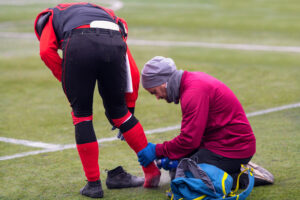
Ankle sprains are among the most common injuries in recreational and competitive sports.
They occur when the ligaments supporting the ankle are stretched or torn, often after an awkward landing or sudden change in direction.
Symptoms can include swelling, bruising, tenderness, and difficulty walking.
Repeated ankle sprains may contribute to chronic ankle instability.
Professional rehabilitation can address balance, strength, joint mobility, and movement control to reduce the likelihood of recurring injuries.
4. Muscle Strains and Tendon Injuries
Muscle strains occur when muscle fibers or the tissues connecting muscles to tendons are overstretched or torn.
Hamstring, quadriceps, calf, and groin strains are particularly common in sports involving sprinting, jumping, or rapid acceleration.
Tendon injuries can develop suddenly or gradually from repeated stress.
Although mild strains often respond to conservative care, more significant injuries may require structured rehabilitation and activity modification.
5. Back and Neck Injuries
Sports-related back and neck pain can develop from repetitive twisting, heavy lifting, collisions, or poor movement mechanics.
Common conditions include muscle strains, joint irritation, and certain disc-related problems.
Symptoms may involve localized discomfort, muscle tightness, limited mobility, or pain radiating into the arms or legs.
Persistent pain, numbness, tingling, or weakness should be evaluated by a healthcare professional.
Bergen Medical Sports & Spine provides musculoskeletal evaluations and treatment options for patients experiencing back and neck conditions, including injuries associated with physical activity.
When Should You See a Sports Injury Specialist?
One of the most important decisions following an injury is determining whether you can safely manage symptoms at home or need professional medical care.
You should consider seeing a sports injury specialist when pain persists, swelling interferes with movement, the affected joint feels unstable, or symptoms repeatedly return during physical activity.
Several warning signs deserve particular attention.
Pain That Doesn’t Improve
Mild soreness after exercise is common, especially when beginning a new workout routine.
However, sharp, localized, or persistent pain may indicate an underlying injury.
If discomfort continues despite reducing activity, interferes with daily responsibilities, or repeatedly returns when you exercise, a professional evaluation can help identify the cause.
Significant Swelling or Bruising
Swelling is part of the body’s natural response to injury, but pronounced swelling can indicate damage to ligaments, tendons, or other structures.
Rapid swelling following a knee injury, for example, may suggest an injury that requires prompt evaluation.
Joint Instability
If your knee, ankle, or shoulder feels as though it might give out, you may have an injury affecting the structures responsible for joint stability.
Continuing to participate in sports with an unstable joint can increase the risk of further injury.
Reduced Range of Motion
Difficulty straightening your knee, raising your shoulder, or rotating your neck may indicate inflammation, tissue damage, or mechanical limitations.
A specialist can assess whether the restriction is caused by pain, weakness, swelling, or a structural injury.
Recurring Injuries
If the same injury keeps returning, simply resting until the pain disappears may not address the underlying problem.
Recurring symptoms can be associated with muscle weakness, inadequate rehabilitation, training errors, or altered movement patterns.
A comprehensive evaluation can help identify factors contributing to repeated injuries.
Numbness, Tingling, or Weakness
Neurological symptoms following a sports injury should not be ignored.
Numbness, tingling, or weakness may indicate nerve irritation or another condition requiring medical assessment.
Sudden or progressive weakness, especially after a neck or back injury, warrants urgent medical attention.
When to Seek Emergency Care
Some injuries should not wait for a routine sports medicine appointment.
Seek emergency medical care for an obvious bone or joint deformity, an open fracture, a cold or discolored limb, loss of circulation, severe neurological symptoms, or a suspected serious head or spinal injury.
An athlete with a suspected concussion should immediately stop playing and be assessed by an appropriate healthcare professional. A worsening headache, repeated vomiting, seizure, increasing confusion, or difficulty waking after a head injury requires emergency evaluation.
Never attempt to play through severe pain or return to competition after a suspected concussion without medical clearance.
Why Early Sports Injury Diagnosis Matters
Athletes sometimes delay treatment because they believe discomfort is simply part of training.
However, untreated injuries can affect mobility, strength, and athletic performance.
Early evaluation can help determine whether symptoms result from a minor strain, a significant ligament injury, a fracture, or another musculoskeletal condition.
A timely diagnosis also helps establish an appropriate rehabilitation plan.
For example, knee pain caused by patellar tendinopathy may require a different treatment approach than pain caused by a meniscus tear.
Similarly, shoulder discomfort from muscle weakness and movement dysfunction may require different care than a substantial rotator cuff tear.
Rather than relying solely on temporary pain relief, professional treatment focuses on understanding the injury and addressing the factors affecting recovery.
What Happens During a Sports Injury Evaluation?
When you visit a healthcare professional for a sports-related injury, the evaluation generally begins with a discussion of your symptoms and medical history.
Your provider may ask:
- When did the pain begin?
- Did the injury happen suddenly or develop gradually?
- What sport or activity were you performing?
- Does the pain worsen with certain movements?
- Have you experienced similar injuries before?
- Does the injury interfere with work, sleep, or daily activities?
A physical examination may assess strength, flexibility, joint stability, tenderness, neurological function, and range of motion.
Depending on the findings, diagnostic imaging or additional testing may be recommended.
X-rays can help identify fractures and certain bone abnormalities, while MRI or ultrasound may be useful for evaluating selected soft-tissue injuries.
Not every sports injury requires imaging. The decision depends on the symptoms, examination findings, and suspected diagnosis.
The objective is to develop an individualized treatment plan that addresses the injury while considering your activity level and recovery goals.
Sports Injury Treatment Options in Bergen County, NJ
Sports injury treatment is not a one-size-fits-all process.
The appropriate approach depends on the injured tissue, severity of the condition, overall health, and functional goals.
At Bergen Medical Sports & Spine, patients have access to several musculoskeletal treatment disciplines that may be incorporated into a coordinated care plan when clinically appropriate.
Physical Therapy for Sports Injuries
Physical therapy is an important component of sports injury rehabilitation because it addresses the physical limitations that may remain after an injury.
A personalized physical therapy program may include:
- Therapeutic strengthening exercises
- Flexibility and mobility training
- Balance and coordination exercises
- Joint and soft-tissue mobilization
- Functional movement training
- Progressive activity and sport-specific exercises
- Home exercise programs
For example, rehabilitation following an ankle sprain may begin with restoring comfortable movement before progressing to strengthening, balance exercises, and controlled jumping or directional changes.
A patient recovering from a shoulder injury may work on restoring mobility, improving rotator cuff strength, and gradually returning to overhead activity.
Bergen Medical Sports & Spine offers physical therapy services at its Paramus, Bayonne, and West Orange locations.
Chiropractic Care for Sports-Related Musculoskeletal Pain
Some athletes experience musculoskeletal discomfort involving the spine and surrounding joints.
Chiropractic care may be considered for selected patients with mechanical back pain, neck pain, or mobility restrictions.
Depending on the diagnosis, treatment may involve manual techniques, mobility exercises, and recommendations for improving movement and daily function.
Chiropractic care is not appropriate for every injury, particularly when fractures, instability, or significant neurological problems are suspected.
A medical evaluation helps determine which treatments are suitable.
Medical Pain Management
Pain can interfere with movement, sleep, and participation in rehabilitation.
For certain musculoskeletal conditions, a medical provider may recommend treatments intended to manage symptoms while the underlying injury is addressed.
Depending on the diagnosis, options may include medication guidance, therapeutic injections, or other medically appropriate interventions.
Pain management should support recovery rather than simply mask symptoms so an athlete can return to activity prematurely.
Cold Laser Therapy and Other Rehabilitation Modalities
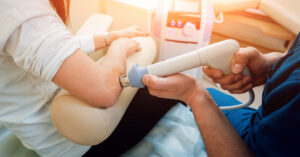
Certain rehabilitation programs may include adjunctive treatments such as cold laser therapy or electrical stimulation.
These modalities may be used for selected conditions, although their effectiveness varies depending on the injury and the evidence supporting their use.
They should not replace appropriate diagnosis, progressive therapeutic exercise, or necessary medical treatment.
When Surgery May Be Necessary
Many sports-related musculoskeletal injuries can be managed without surgery.
However, some conditions, including certain fractures, complete tendon ruptures, and significant ligament injuries, may require orthopedic surgical evaluation.
A sports injury specialist can help determine when referral to another medical professional is necessary.
The objective is to choose the treatment that best supports safe healing and long-term function, rather than assuming every injury requires surgery or that conservative care is always sufficient.
How Long Does Sports Injury Recovery Take?
Recovery time varies considerably depending on the type and severity of the injury.
A mild muscle strain may improve over several days or weeks, while a more significant ligament or tendon injury may require months of rehabilitation.
Recovery can also depend on:
- Age and overall health
- Previous injuries
- Severity of tissue damage
- Physical demands of the sport
- Consistency with rehabilitation
- Associated medical conditions
- Whether surgery is required
Pain reduction does not always mean that an injury has fully healed.
For example, an athlete may feel comfortable walking after an ankle sprain but still lack the balance and stability needed for basketball or soccer.
Returning too quickly can increase the risk of another injury.
A rehabilitation professional can evaluate strength, movement quality, and functional readiness before recommending a progression toward more demanding activities.
Returning to Sports Safely After an Injury
Returning to athletic activity is often one of the most challenging parts of rehabilitation.
Athletes naturally want to resume training and competition as soon as possible. However, successful recovery involves more than waiting for discomfort to disappear.
A structured return-to-sport program generally progresses through several stages.
Stage 1: Protect the Injury and Manage Symptoms
Early treatment focuses on protecting injured tissues, controlling symptoms, and determining which movements are safe.
Depending on the injury, temporary bracing, modified weight-bearing, or other protective measures may be necessary.
Stage 2: Restore Mobility
As healing progresses, rehabilitation may focus on restoring appropriate joint motion and flexibility.
Exercises should be selected according to the injury and adjusted based on symptoms and clinical findings.
Stage 3: Rebuild Strength and Stability
Muscle strength, endurance, and joint control are essential for athletic performance.
Rehabilitation may incorporate resistance exercises, balance training, and progressive functional movements.
Stage 4: Introduce Sport-Specific Activity
Once appropriate strength and movement control have been restored, athletes may begin more demanding activities.
These could include jogging, jumping, throwing, pivoting, or controlled agility exercises, depending on the sport.
Stage 5: Return to Full Participation
Before returning to unrestricted competition, the athlete should demonstrate sufficient strength, mobility, stability, and tolerance for the physical demands of the sport.
Medical clearance may be necessary depending on the injury, particularly following a concussion, fracture, surgery, or significant ligament injury.
The timeline should be individualized rather than based solely on the number of days since the injury occurred.
How to Prevent Common Sports Injuries
Although not every sports injury can be prevented, appropriate training and recovery practices can help reduce certain risks.
Warm Up Before Physical Activity
A proper warm-up gradually increases heart rate, activates muscles, and prepares the body for more demanding movement.
Dynamic movements that resemble the upcoming activity are often useful before exercise.
Increase Training Intensity Gradually
Sudden increases in running mileage, workout intensity, or training frequency can overload muscles, tendons, and bones.
Gradual progression allows the body time to adapt.
Strengthen Supporting Muscles
Strength training helps develop the muscular support needed for controlled movement.
For example, strengthening the hips, thighs, and lower legs may support knee and ankle function during running and jumping.
Focus on Proper Technique
Poor lifting mechanics, repetitive throwing errors, or inefficient running patterns may contribute to excessive tissue stress.
A qualified coach, physical therapist, or other appropriate professional can help identify technique-related concerns.
Allow Time for Recovery
Recovery is an essential component of athletic training.
Adequate sleep, appropriate nutrition, hydration, and planned recovery periods support overall physical health.
Address Pain Before It Becomes Persistent
Recurring discomfort should not automatically be dismissed as normal soreness.
Modifying activity and seeking professional guidance when symptoms persist may help prevent a manageable problem from becoming more difficult to treat.
Sports Injury Treatment for High School and Youth Athletes
Bergen County has many young athletes participating in school and recreational sports, including soccer, basketball, baseball, football, lacrosse, gymnastics, and track and field.
Young athletes can experience both acute injuries and overuse conditions.
Because growing bones contain growth plates, some injuries in children and adolescents require different evaluation and treatment considerations than similar injuries in adults.
Parents and coaches should pay attention to persistent pain, limping, changes in athletic performance, swelling, or reluctance to use an injured limb.
Young athletes should not be pressured to continue competing through pain.
In addition, suspected concussions require immediate removal from play and medical evaluation. Return-to-sport decisions must follow appropriate medical guidance and applicable school or athletic requirements.
An individualized rehabilitation program can help young athletes rebuild strength and movement confidence while reducing the risk of returning before they are ready.
Why Choose Bergen Medical Sports & Spine for Sports Injury Treatment?
When dealing with a sports injury, access to appropriate medical evaluation and rehabilitation can make an important difference in your recovery experience.
At Bergen Medical Sports & Spine, our approach brings together multiple healthcare disciplines to address musculoskeletal conditions and functional limitations.
Our services include physical therapy, medical evaluations, chiropractic care, pain management, and other treatment options that may be appropriate depending on the patient’s condition.
We work with individuals who want to recover from sports injuries, manage musculoskeletal pain, improve mobility, and return to their daily activities.
Our Paramus office provides a convenient option for patients throughout Bergen County, including Hackensack, Ridgewood, Fair Lawn, Teaneck, Oradell, River Edge, New Milford, Bergenfield, Glen Rock, and surrounding communities.
With additional offices in Bayonne and West Orange, Bergen Medical Sports & Spine also serves patients in neighboring areas of northern New Jersey.
Our goal is to help patients better understand their conditions and pursue individualized care based on their medical needs and functional goals.
Frequently Asked Questions About Sports Injury Treatment in Bergen County, NJ
1. When should I see a doctor for a sports injury?
You should seek medical evaluation if pain persists, swelling is significant, movement is restricted, or a joint feels unstable. Injuries involving severe pain, obvious deformity, inability to bear weight, or concerning neurological symptoms may require urgent or emergency care.
2. Can sports injuries heal without surgery?
Yes. Many muscle strains, ligament sprains, and overuse injuries can improve with appropriate conservative treatment. However, some fractures, tendon ruptures, and severe joint injuries may require surgery. A professional evaluation can help determine the most appropriate approach.
3. Is physical therapy effective for sports injuries?
Physical therapy is commonly used to restore mobility, rebuild strength, improve balance, and support functional recovery following many sports injuries. The rehabilitation program should be tailored to the specific diagnosis and the patient’s activity goals.
4. How do I know if my sports injury is serious?
Warning signs include severe pain, rapid swelling, significant bruising, inability to bear weight, visible deformity, joint instability, and numbness or weakness. A suspected concussion also requires medical evaluation, even when symptoms initially appear mild.
5. Should I use ice or heat after a sports injury?
For many recent soft-tissue injuries, a wrapped cold pack may help manage pain and swelling. Heat may be useful later for certain types of muscle stiffness, but it is not appropriate for every injury. Avoid applying ice directly to the skin, and seek medical advice if symptoms are significant or worsening.
6. How long should I rest after a sports injury?
The appropriate rest period depends on the injury. Some conditions benefit from brief protection followed by gradual movement, while others require immobilization or longer activity restrictions. Prolonged inactivity is not always beneficial, so follow recommendations based on your diagnosis.
7. Can I continue exercising with a sports injury?
You may be able to continue certain modified activities, depending on the injury and your healthcare provider’s recommendations. However, you should stop movements that cause injury-related pain or worsen symptoms. Avoid returning to full training before adequate healing and functional recovery.
8. Where can I find sports injury treatment in Bergen County, NJ?
Bergen Medical Sports & Spine offers musculoskeletal medical care and rehabilitation services at its Paramus, NJ, office. Patients can receive an evaluation to determine which available services or referrals may be appropriate for their condition.
Schedule a Sports Injury Evaluation in Bergen County, NJ
Sports injuries can interrupt your training, affect your mobility, and make everyday activities uncomfortable. Whether you’re dealing with persistent knee pain, a shoulder injury, an ankle sprain, or back pain associated with physical activity, identifying the underlying problem is an important step toward recovery.
You don’t have to wait until an injury becomes severe to seek professional guidance.
At Bergen Medical Sports & Spine, our team provides individualized musculoskeletal care and rehabilitation services designed around each patient’s needs.
If you’re looking for sports injury treatment in Bergen County, NJ, contact our Paramus office to discuss your symptoms and schedule an evaluation.
Bergen Medical Sports & Spine — Paramus, NJ
1 Sears Drive, Suite 305
Paramus, NJ 07652
Phone: (201) 261-5220
Website: https://bergenmedicalsportsandspine.com/
Take the next step toward improved mobility, injury recovery, and a safer return to the activities you enjoy. Contact Bergen Medical Sports & Spine today to request an appointment.