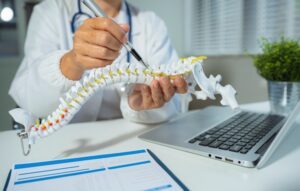



Lower back pain is one of the most common health complaints among adults and one of the leading reasons people visit a doctor. Whether your discomfort began after lifting something heavy, developed gradually from years of sitting at a desk, or appeared without warning, lower back pain can affect nearly every part of your life. It can make walking difficult, interfere with sleep, reduce productivity at work, and prevent you from enjoying your favorite activities.
While many cases of lower back pain improve with rest and conservative care, others require evaluation by an experienced specialist to prevent the condition from worsening. Understanding the underlying cause of your pain is the first step toward finding lasting relief.
At Bergen Medical Sports & Spine, we specialize in diagnosing and treating lower back pain using advanced, non-surgical treatments whenever possible. Our experienced team develops personalized care plans that help patients reduce pain, restore mobility, and return to the activities they enjoy.
Understanding Lower Back Pain
The lower back, also known as the lumbar spine, supports much of your body’s weight while allowing you to bend, twist, lift, and move. It consists of vertebrae, discs, muscles, ligaments, nerves, and joints that all work together.
Because so many structures are involved, pain can develop from numerous conditions ranging from simple muscle strains to complex spinal disorders.
Symptoms may include:
- Dull aching pain
- Sharp or stabbing pain
- Muscle spasms
- Pain that radiates into the hips or legs
- Numbness or tingling
- Weakness in the legs
- Difficulty standing upright
- Reduced flexibility
Proper diagnosis is essential because different conditions require different treatment approaches.
1. Muscle or Ligament Strain
One of the most frequent causes of lower back pain is a muscle or ligament strain. These injuries often occur after lifting something heavy, making a sudden twisting movement, participating in sports, or performing repetitive physical tasks at work. Even everyday activities like bending incorrectly or sleeping in an awkward position can strain the muscles that support your spine.
Common causes include:
- Lifting heavy objects incorrectly
- Sudden twisting or awkward movements
- Sports-related injuries
- Repetitive bending or lifting at work
- Poor physical conditioning
Symptoms may include:
- Localized lower back pain
- Muscle spasms
- Stiffness and tenderness
- Pain that worsens with movement
- Difficulty standing up straight
Most mild muscle strains improve with rest, ice, gentle stretching, and conservative care. However, if pain lasts longer than a few weeks, becomes increasingly severe, or begins radiating into the legs, it is important to see a specialist for further evaluation.
2. Herniated Disc
Between each vertebra is a spinal disc that acts as a cushion, absorbing shock while allowing the spine to move smoothly. A herniated disc develops when the soft inner portion pushes through the outer layer and irritates nearby nerves.
Risk factors include:
- Aging
- Heavy lifting
- Repetitive bending
- Obesity
- Previous back injuries
Common symptoms include:
- Sharp lower back pain
- Pain radiating into the leg
- Numbness or tingling
- Muscle weakness
- Pain when sitting or bending
Although many people assume surgery is necessary, most herniated discs respond well to conservative treatments such as physical therapy, medications, and image-guided injections.
3. Sciatica
Sciatica occurs when the sciatic nerve becomes compressed or irritated. The pain usually begins in the lower back and travels through the buttock and down one leg. The severity can range from mild discomfort to debilitating pain.
Sciatica is commonly caused by:
- Herniated discs
- Spinal stenosis
- Bone spurs
- Degenerative disc disease
- Spinal injuries
Symptoms often include:
- Burning or shooting pain
- Tingling sensations
- Numbness
- Leg weakness
- Pain that worsens when sitting
Because sciatica is usually a symptom of another spinal condition, identifying the underlying cause is the key to long-term relief.
4. Degenerative Disc Disease
As we age, spinal discs naturally lose water content and become less flexible. This normal aging process is called degenerative disc disease. While many people have disc degeneration without symptoms, others develop chronic pain that affects their daily lives.
You may notice:
- Morning stiffness
- Chronic aching pain
- Pain after prolonged sitting
- Difficulty bending or twisting
- Pain that improves with walking
Treatment options often include:
- Physical therapy
- Core strengthening
- Anti-inflammatory medications
- Lifestyle modifications
- Interventional pain management
Early treatment can improve mobility, reduce pain, and help slow the progression of related spinal conditions.
5. Spinal Stenosis
Spinal stenosis occurs when the spinal canal narrows and places pressure on the spinal cord or nearby nerves. It most commonly develops as part of the aging process but may also result from arthritis or bone spurs.
Common symptoms include:
- Lower back pain
- Leg pain while walking
- Numbness
- Tingling
- Muscle weakness
Many patients notice their symptoms improve when they:
- Sit down
- Lean forward
- Rest for a few minutes
- Avoid prolonged standing
Without treatment, spinal stenosis can gradually reduce mobility and make everyday activities increasingly difficult.
6. Arthritis of the Spine
Spinal arthritis develops when the cartilage protecting the joints wears down over time. As the joints become inflamed, movement becomes painful and stiffness increases.
Risk factors include:
- Aging
- Previous spinal injuries
- Obesity
- Family history
- Repetitive joint stress
Symptoms often include:
- Morning stiffness
- Chronic back pain
- Reduced flexibility
- Pain during movement
- Bone spur formation
Although arthritis cannot be reversed, early treatment can reduce inflammation and help maintain an active lifestyle.
7. Poor Posture
Poor posture has become one of the fastest-growing causes of chronic lower back pain. Sitting for hours at a desk, using smartphones, or working from home without proper ergonomic support places continuous stress on the spine.
Poor posture often results from:
- Sitting for extended periods
- Slouching
- Improper workstation setup
- Looking down at phones
- Weak core muscles
Over time, it can lead to:
- Muscle fatigue
- Chronic tightness
- Disc compression
- Reduced flexibility
- Ongoing lower back pain
Correcting posture, strengthening your core, and making ergonomic improvements can significantly reduce discomfort.
8. Sacroiliac Joint Dysfunction
The sacroiliac joints connect the spine to the pelvis and help transfer weight during walking, standing, and lifting. When these joints become inflamed or unstable, they can cause pain that is often mistaken for sciatica or a herniated disc.
Symptoms commonly include:
- Pain on one side of the lower back
- Hip pain
- Buttock pain
- Pain while climbing stairs
- Difficulty standing after sitting
Treatment may include:
- Physical therapy
- Stretching exercises
- Anti-inflammatory medications
- Image-guided injections
- Activity modification
An accurate diagnosis is important because SI joint dysfunction often mimics several other spinal conditions.
9. Compression Fractures
Compression fractures occur when a vertebra collapses due to weakened bone or significant trauma. They are especially common in older adults with osteoporosis.
Common causes include:
- Osteoporosis
- Falls
- Motor vehicle accidents
- Sports injuries
- Weakened bones
Symptoms often include:
- Sudden severe back pain
- Height loss
- Limited mobility
- Pain while standing
- Changes in posture
Early diagnosis helps prevent additional fractures and improves long-term outcomes.
10. Kidney Problems and Other Medical Conditions
Not all lower back pain originates in the spine. Several medical conditions involving internal organs can produce pain that feels like musculoskeletal back pain.
Possible causes include:
- Kidney stones
- Kidney infections
- Abdominal aneurysms
- Inflammatory diseases
- Certain gastrointestinal conditions
Warning signs that suggest a medical condition may include:
- Fever
- Chills
- Blood in the urine
- Painful urination
- Nausea or vomiting
A comprehensive evaluation helps determine whether your symptoms are related to the spine or another medical condition that requires immediate medical attention.
Risk Factors for Lower Back Pain
Several factors increase your risk of developing lower back pain.
These include:
- Aging
- Obesity
- Smoking
- Sedentary lifestyle
- Repetitive lifting
- Poor posture
- Previous back injuries
- Weak core muscles
- Certain occupations
Reducing these risk factors may help decrease future episodes of pain.
When Should You See a Specialist?
Many people try to ignore lower back pain or hope it disappears on its own.
You should schedule an evaluation if your pain:
- Lasts longer than two weeks
- Continues to worsen
- Radiates into one or both legs
- Causes numbness or tingling
- Limits daily activities
- Prevents sleeping
- Returns repeatedly
- Follows an accident or injury
Prompt treatment often leads to faster recovery and may prevent chronic pain.
Warning Signs That Require Immediate Medical Attention
Seek immediate medical care if you experience:
- Loss of bladder or bowel control
- Severe leg weakness
- Numbness in the groin area
- High fever with back pain
- Sudden severe pain after trauma
- Unexplained weight loss with persistent pain
These symptoms may indicate serious medical conditions requiring emergency evaluation.
How Lower Back Pain Is Diagnosed
Every patient begins with a thorough evaluation.
Your specialist may perform:
- Detailed medical history
- Physical examination
- Neurological testing
- Range of motion assessment
- Strength testing
- Walking evaluation
If necessary, advanced imaging may include:
- Digital X-rays
- MRI
- CT scans
- Diagnostic ultrasound
Accurate diagnosis allows us to create the most effective treatment plan.
Non-Surgical Treatment Options
Most patients improve without surgery.
Depending on your diagnosis, treatment may include:
Physical Therapy
Customized rehabilitation programs strengthen supporting muscles, improve flexibility, and restore normal movement.
Activity Modification
Small changes in daily habits often reduce stress on the spine and speed recovery.
Anti-Inflammatory Medications
When appropriate, medications help reduce inflammation and discomfort.
Image-Guided Injections
Precision injections may provide significant pain relief while reducing inflammation around irritated nerves and joints.
Sports Medicine Treatments
Athletes and active individuals benefit from specialized rehabilitation designed to return them safely to sports.
Regenerative Medicine
Some patients may benefit from advanced regenerative therapies that support the body’s natural healing process.
Preventing Lower Back Pain
Although not every case is preventable, healthy habits can significantly reduce your risk.
Helpful strategies include:
- Maintain a healthy weight
- Exercise regularly
- Strengthen your core
- Stretch daily
- Lift with your legs
- Avoid prolonged sitting
- Improve workstation ergonomics
- Wear supportive footwear
- Stay active throughout the day
Small lifestyle changes often make a significant difference.
Why Choose Bergen Medical Sports & Spine?
Choosing the right specialist can make a tremendous difference in your recovery.
Patients throughout Bergen County trust Bergen Medical Sports & Spine because we provide compassionate, patient-centered care backed by advanced diagnostic technology and evidence-based treatment options.
Our practice offers:
- Comprehensive evaluation of spine and musculoskeletal conditions
- Personalized treatment plans
- Non-surgical solutions whenever appropriate
- Experienced sports medicine and spine specialists
- Advanced diagnostic imaging
- Modern pain management techniques
- Rehabilitation focused on long-term results
- Care for athletes, workers, seniors, and active adults
- Convenient Bergen County location
- A commitment to helping patients return to the activities they love
Our goal is not simply to mask pain. We focus on identifying its underlying cause so you can enjoy long-lasting relief and improved quality of life.
Frequently Asked Questions
1. What is the most common cause of lower back pain?
Muscle strains and ligament injuries are among the most common causes of lower back pain. However, herniated discs, arthritis, spinal stenosis, and degenerative disc disease are also frequent sources of chronic pain.
2. How long should lower back pain last before seeing a doctor?
If your pain lasts more than two weeks, worsens over time, or is accompanied by numbness, tingling, or weakness, you should schedule an evaluation with a spine specialist.
3. Can lower back pain go away without surgery?
Yes. Most cases improve with conservative treatments such as physical therapy, medications, activity modification, injections, and rehabilitation. Surgery is only necessary for certain conditions.
4. Is lower back pain ever an emergency?
Yes. Seek immediate medical care if you experience loss of bowel or bladder control, severe leg weakness, numbness in the groin area, or sudden severe pain following a serious injury.
5. How can I prevent lower back pain from returning?
Maintaining a healthy weight, exercising regularly, strengthening your core muscles, practicing good posture, lifting properly, and staying active can significantly reduce your risk of recurring lower back pain.
Schedule Your Lower Back Pain Evaluation Today
Living with lower back pain does not have to become your new normal.
Whether your symptoms began yesterday or have been affecting you for years, early diagnosis and expert treatment can help you regain mobility, reduce pain, and get back to living your life.
If you are experiencing persistent lower back pain, numbness, weakness, or pain that interferes with work, exercise, or daily activities, contact Bergen Medical Sports & Spine today to schedule a comprehensive evaluation. Our experienced specialists will identify the source of your pain and create a personalized treatment plan designed specifically for your needs.
Contact us today to schedule your appointment and begin your journey toward lasting back pain relief.